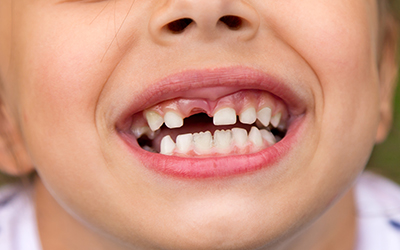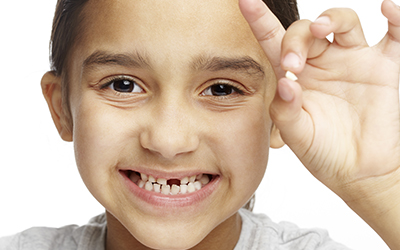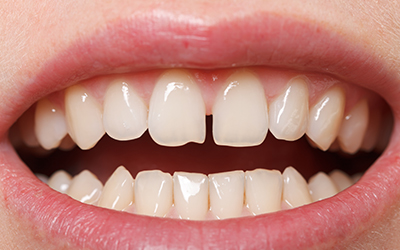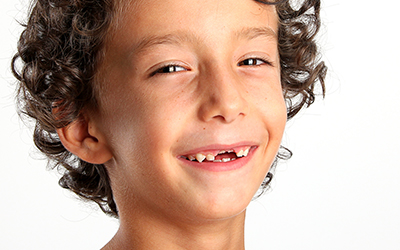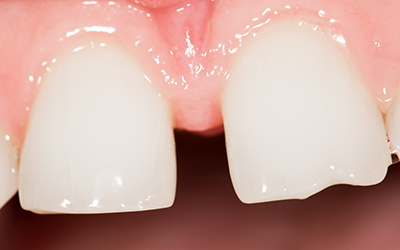
Many parents are surprised to see gaps between their child’s infant teeth. In most cases, these spaces are completely normal and even beneficial. Baby teeth, also known as primary teeth, act as placeholders for permanent teeth. Because adult teeth are generally larger, spacing in early childhood often allows room for proper alignment later.
According to the American Academy of Pediatric Dentistry (AAPD), primary teeth play a critical role in guiding permanent teeth into their correct positions (AAPD, 2023). A knowledgeable Dover pediatric dentist can evaluate whether spacing is healthy or if early intervention may be needed.
When parents search for a Dover pediatric dentist near me, they are often looking for reassurance about whether gaps or crowding are cause for concern. Regular evaluations provide clarity and help prevent future complications.
What Causes Crowding in Young Smiles
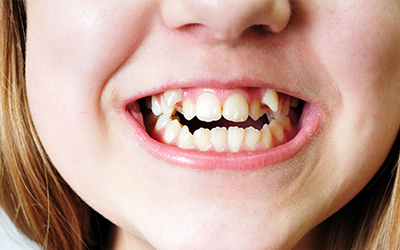
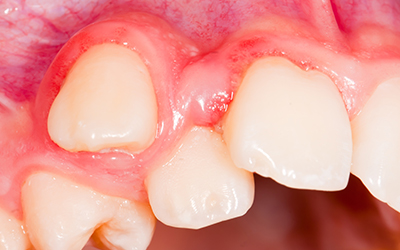
While spacing is typically a positive sign, crowding can sometimes develop even in early childhood. Crowding occurs when there is insufficient room in the jaw for teeth to align properly. Several factors may contribute, including genetics, early tooth loss, or prolonged thumb-sucking.
If a child loses infant teeth prematurely due to decay or injury, neighboring teeth may shift into the empty space. This movement can reduce the space available for permanent teeth, leading to alignment problems. Preventive care and early monitoring by a Dover pediatric dentist help minimize these risks.
Signs Parents Should Watch
It is not always easy for parents to determine whether spacing or crowding is developing normally. However, certain signs may indicate the need for evaluation. These include:
- Teeth overlapping or rotating.
- Difficulty flossing between tightly spaced teeth.
- Early loss of baby teeth due to cavities.
- Speech challenges related to tooth position.
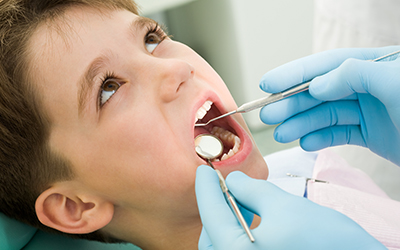
Routine dental checkups for kids allow providers to track jaw growth and tooth eruption patterns. Parents who schedule regular visits with a Dover pediatric dentist near me often gain peace of mind knowing their child’s smile is developing appropriately.
The Role of Early Orthodontic Evaluation
Early assessment does not always mean immediate braces. Instead, it allows providers to identify potential issues and monitor them over time. The American Association of Orthodontists recommends that children have an orthodontic evaluation by age seven (AAO, 2023). Early observation can make early orthodontic treatment more effective if needed.
A trusted Dover pediatric dentist may recommend space maintainers if a child loses a tooth too soon. These small devices preserve room for incoming permanent teeth, reducing the likelihood of severe crowding. By supporting healthy jaw development, preventive strategies can minimize the need for extensive orthodontic correction later.
Preventing Spacing Complications
Good oral hygiene plays a significant role in maintaining healthy spacing. Preventing cavities in infant teeth ensures that these natural placeholders remain intact until they are ready to fall out naturally.
Parents can support healthy dental development by:
- Scheduling routine dental checkups for kids.
- Encouraging proper brushing and flossing habits.
- Addressing thumb-sucking habits early.
- Seeking prompt care for dental injuries.
When families search for a reliable Dover pediatric dentist near me, they are investing in preventive guidance as well as treatment.
Supporting Healthy Smile Development
Every child’s dental development is unique. Some children experience noticeable gaps between their baby teeth, while others may show mild crowding early on. Both situations require professional monitoring to ensure permanent teeth erupt properly.
Great Outdoors Pediatric Dentistry emphasizes comprehensive pediatric dental care that focuses on growth, prevention, and education. With routine visits and early assessment by a skilled Dover pediatric dentist, parents can confidently guide their children through each stage of smile development.
Understanding the difference between healthy spacing and problematic crowding empowers families to take proactive steps. With proper care and timely evaluation, young smiles can develop with the space they need for strong, well-aligned permanent teeth.