

Understanding when and how your child’s teeth develop can help you better support their oral health at every stage. From baby teeth to permanent teeth and into young adulthood, each phase plays an important role in building a healthy, confident smile.
At Great Outdoors Pediatric Dentistry, we provide guidance and monitoring as part of our comprehensive children’s dental care in New Hampshire. Regular visits to a pediatric dentist in New Hampshire help ensure your child’s teeth are developing properly and allow us to identify any concerns early.
Baby Teeth Eruption Guide
Baby teeth, also called primary teeth, typically begin to appear around 6 months of age. These early teeth are essential for chewing, speech development, and holding space for future permanent teeth.
Most children will have a full set of 20 baby teeth by age 3.
Typical baby tooth eruption timeline:
- Central Incisors: 6 to 12 months
- Lateral Incisors: 9 to 16 months
- First Molars: 13 to 19 months
- Canines: 16 to 23 months
- Second Molars: 23 to 33 months
Even at this early stage, proper oral hygiene and routine visits to a kids dentist are important for preventing early tooth decay and establishing healthy habits.
Child Eruption Guide and Mixed Dentition Stage
Around age 6, children begin the transition from baby teeth to permanent teeth. This phase is known as the mixed dentition stage, where both baby and adult teeth are present at the same time.
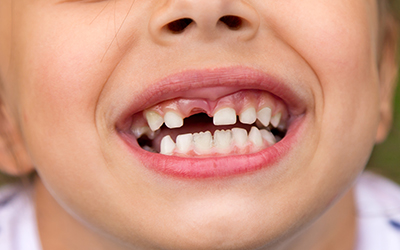
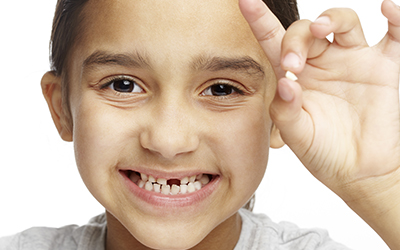
During this stage, baby teeth loosen and fall out as permanent teeth erupt into place.
Typical permanent tooth eruption timeline:
- Central Incisors: 6 to 8 years
- Lateral Incisors: 6.5 to 9 years
- Canines: 8.5 to 12.5 years
- First Premolars: 8 to 12 years
- Second Premolars: 8.5 to 13 years
It is important to note that not all permanent teeth replace baby teeth. First molars, which usually erupt around age 6, and second molars, which come in between ages 10 and 14, develop behind the existing teeth. Because no baby tooth falls out beforehand, these molars can sometimes go unnoticed.
As a pediatric dentist in New Hampshire, we closely monitor this stage to ensure proper spacing, alignment, and development. Parents often ask whether they should help remove loose baby teeth. In most cases, it is best to allow teeth to fall out naturally, but we are happy to provide guidance based on your child’s specific situation.
Young Adult Tooth Development
By ages 12 to 13, most children will have all of their permanent teeth in place, except for wisdom teeth. At this point, the focus shifts to maintaining alignment, monitoring bite development, and preventing long term issues.
Wisdom teeth, also known as third molars, typically emerge between ages 17 and 25. Not all individuals will develop wisdom teeth, and in some cases, they may need to be monitored or removed depending on spacing and alignment.
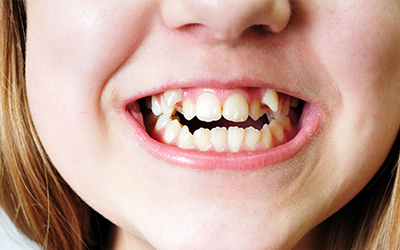
During the later stages of development, orthodontic evaluation may be recommended to ensure teeth are properly aligned. Early evaluation often allows for simpler and more effective treatment options, such as clear aligners, if needed.




Supporting Healthy Development at Every Stage
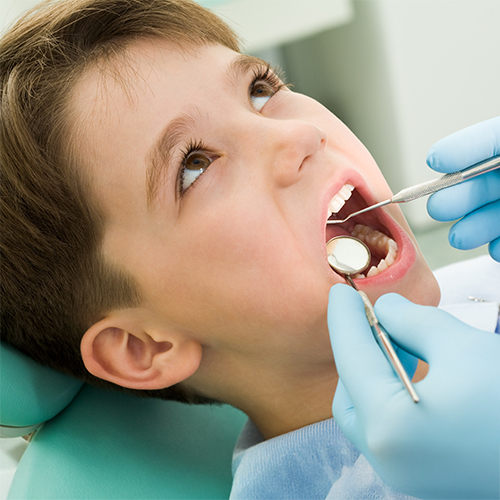
Each stage of your child’s dental development is important, and no two children follow the exact same timeline. Regular visits to a pediatric dentist in New Hampshire allow us to track progress, answer questions, and provide personalized recommendations.
At Great Outdoors Pediatric Dentistry, we are proud to provide trusted children’s dental care in New Hampshire. Our goal is to support your child’s smile from their first tooth through their teenage years and beyond, helping them build a strong foundation for lifelong oral health.
What Parents Are Saying
Families throughout New Hampshire trust Great Outdoors Pediatric Dentistry for compassionate, high quality pediatric dental care. Parents appreciate our friendly team, fun office environment, and the gentle approach Dr. Wilson takes with every child. We are proud to have earned the confidence of so many families and invite you to see what others are saying about their experience with our pediatric dentist and team.
FOLLOW US ON SOCIAL MEDIA


Cookie Preferences | Cookie Consent | Privacy Policy
Nothing contained on or offered by or through this website should be construed as medical advice and should not be relied upon for medical diagnosis or treatment. By accessing this website you understand and agree to communication by phone, voicemail, email or text.