A child’s mouth changes rapidly from babyhood through the teen years. Growth and development checks help your dental team catch concerns early—often before they become painful, complicated, or expensive to treat. Whether you’re seeing Great Outdoors Pediatric Dentistry for a routine visit or searching for a trusted Dover pediatric dentist, these appointments are designed to ensure teeth, jaws, and oral habits are developing the way they should. They also give parents clear guidance on what’s normal, what requires monitoring, and what needs treatment now.
Tracking Tooth Eruption Patterns
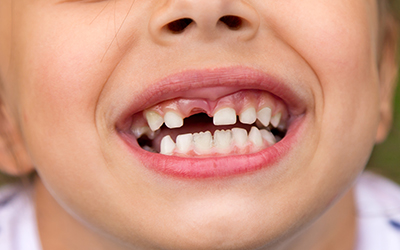
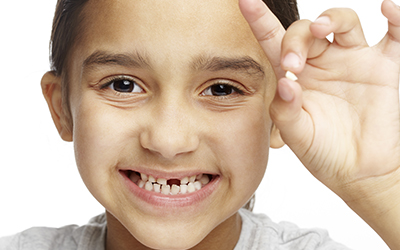
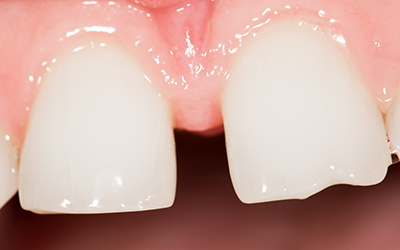
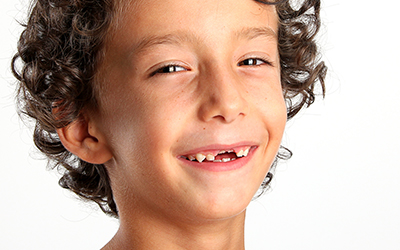
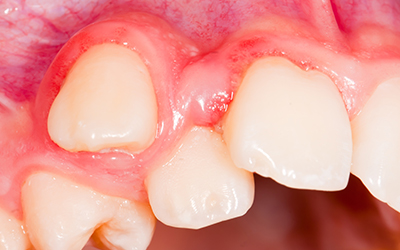
One of the first things pediatric dentists monitor is when and how teeth come in. Every child develops at a slightly different pace, but patterns still matter. Dentists track the timing, spacing, and order of eruption to make sure the mouth is forming a stable foundation for chewing and speaking. Monitoring infant teeth is especially important because baby teeth guide the position of adult teeth and help shape jaw growth. If infant teeth erupt late, fall out too early, or appear crowded, it may signal an underlying developmental issue that benefits from early intervention. Regular visits also help confirm that infant teeth have healthy enamel and are free from decay, which can spread quickly in young children.
Bite Alignment and Jaw Growth
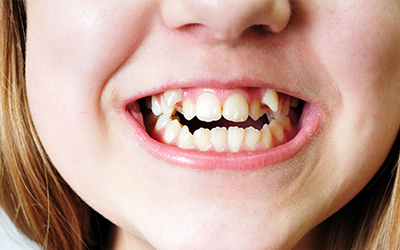
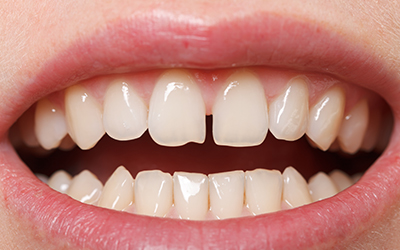
A child’s bite can shift dramatically during growth spurts, and pediatric dentists evaluate more than whether teeth “look straight.” During growth and development checks, they assess how the upper and lower jaws relate to each other, whether the bite is deep or open, and how the teeth meet when the child chews. These evaluations often include an early orthodontic evaluation, especially if the child shows signs of crossbite, overbite, underbite, or spacing problems. Early detection allows the dental team to recommend timing-sensitive options that can guide jaw development and reduce the need for more extensive orthodontic treatment later.
Signs of Airway and Habit Concerns
Growth checks also look beyond teeth. Many pediatric dentists screen for airway and functional issues that affect development, including enlarged tonsils, chronic mouth breathing, and tongue posture problems. A child who snores regularly or breathes through the mouth may be at higher risk for bite changes and dry-mouth related cavities. Dentists also monitor habits such as thumb-sucking, prolonged pacifier use, nail biting, or tongue thrusting. If these behaviors persist, they can reshape the bite and interfere with jaw growth. Your pediatric dentist may suggest strategies for habit correction, myofunctional therapy referrals, or simple at-home exercises depending on the child’s age and needs.
Decay Risk and Prevention Planning
Even when teeth and jaws are developing well, growth checks focus heavily on prevention. Pediatric dentists evaluate enamel strength, cavity risk, and the child’s home-care routine to recommend personalized protection. Many visits include or review preventive services such as fluoride treatment, dental sealants, and nutritional counseling. These measures are especially important during periods of rapid tooth eruption, when new molars are more vulnerable to decay. A comprehensive plan may also include coaching parents on brushing technique and recommending fluoride toothpaste amounts appropriate for each age.
When Sedation Supports Care
Some children struggle with dental anxiety, strong gag reflexes, sensory sensitivities, or extensive treatment needs. In these cases, sedation can be a safe and supportive tool. Families often ask about Dover dental sedation when a child needs multiple procedures or has difficulty staying calm during dental care. A well-trained team will assess medical history, age, and treatment complexity before recommending sedation. If needed, Dover dental sedation may allow care to be completed efficiently while minimizing stress for both child and parent. For certain situations, Dover dental sedation also helps the dentist perform thorough evaluations when a child cannot tolerate longer exams.
Growth Check Tools and What Parents Can Expect
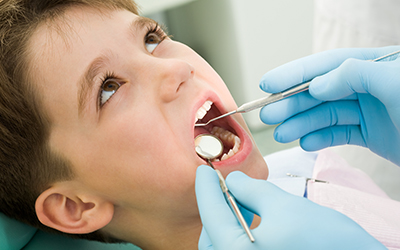
A typical growth and development visit may include:
- Visual examination of tooth eruption, spacing, and gum health
- Bite assessment and jaw growth screening
- Review of habits, speech concerns, and breathing patterns
- Dental X-rays when clinically necessary to monitor hidden development
- Preventive services like cavity prevention, fluoride treatment, or dental sealants
- Guidance on brushing, flossing, nutrition, and injury prevention
If your child needs extra reassurance, many families benefit from choosing a team experienced in behavior guidance and comfort-focused care. Whether you’re already established with Great Outdoors Pediatric Dentistry or exploring a Dover pediatric dentist for ongoing growth checks, the goal is the same: monitor development early and keep treatment as simple as possible. A proactive relationship with a Dover pediatric dentist can help your child build healthy habits, avoid preventable problems, and feel confident in the dental chair as they grow.