
What Causes Teeth to Shift During Childhood and Adolescence
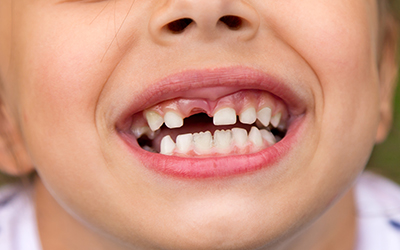
Children and teenagers experience significant growth and development, including changes in their teeth and jaws. As the mouth develops, it is common for teeth to shift positions over time. While some movement is a natural part of growth, other changes may signal developing alignment issues that require professional attention. Regular visits with a pediatric dentist near me Dover provider help monitor these changes and support healthy pediatric teeth development.
Understanding the factors that contribute to tooth movement can help parents recognize when early dental evaluation may be beneficial.
Natural Jaw Growth Changes
One of the primary reasons teeth shift during childhood is jaw development. As children grow, the upper and lower jaws expand and change shape to accommodate permanent teeth. These natural growth patterns influence how teeth erupt and align over time.
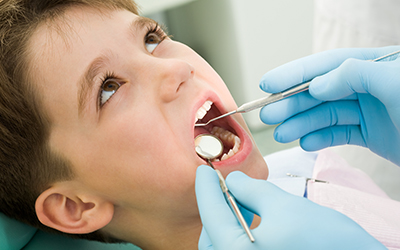
A pediatric dental provider monitors jaw development during routine visits to identify whether teeth are moving into healthy positions. In some cases, changes in jaw size may create crowding or spacing concerns that affect overall children’s oral health. Regular evaluations with a pediatric dentist near me Dover provider can help identify these issues early.
Loss of Baby Teeth
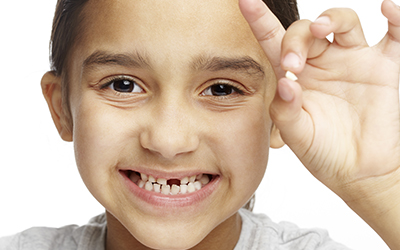
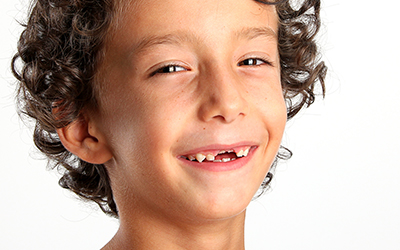
The transition from baby teeth to permanent teeth is another major factor in tooth movement. Baby teeth serve as placeholders for adult teeth, guiding them into proper position. If baby teeth are lost too early or remain too long, neighboring teeth may shift into open spaces.
This movement can interfere with proper eruption patterns and contribute to crowding. Monitoring pediatric teeth during this stage is important for maintaining balanced dental development and reducing future orthodontic complications.
Oral Habits and Alignment
Certain childhood habits can also influence how teeth shift over time. Prolonged thumb sucking, tongue thrusting, and mouth breathing may place pressure on developing teeth and jaw structures. These habits can gradually change tooth positioning and bite alignment.
Pediatric dentists often evaluate these behaviors during routine appointments and recommend strategies to reduce their impact. Families seeking a pediatric dentist near me Dover provider may receive guidance on addressing habits before they lead to more significant alignment concerns.
Impact of Orthodontic Development
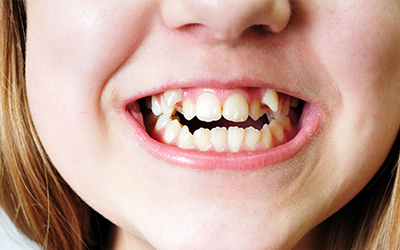
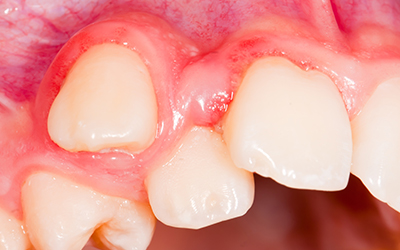
As permanent teeth emerge, space limitations may cause teeth to rotate, overlap, or shift out of alignment. Early orthodontic evaluation allows providers to assess whether the jaws are developing properly and whether enough space exists for permanent teeth.
The following factors commonly contribute to shifting teeth during adolescence:
- Crowding caused by limited jaw space
- Delayed or early eruption of permanent teeth
- Uneven bite development
- Growth-related jaw changes during puberty
Monitoring these changes helps support healthier long-term tooth alignment and may reduce the need for more extensive treatment later.
Role of Injuries and Dental Health
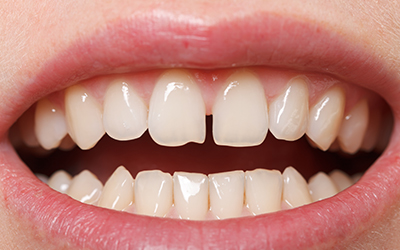
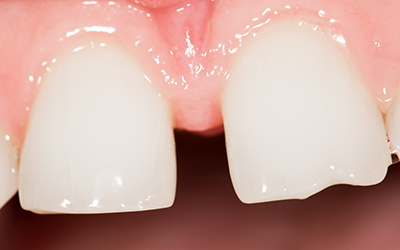
Dental injuries can also contribute to shifting teeth, particularly if trauma affects the jaw or supporting structures. Additionally, untreated cavities or gum problems may weaken support around teeth, allowing movement over time.
Maintaining strong oral hygiene habits and scheduling routine dental visits are essential for protecting pediatric teeth throughout growth and development. A pediatric dental provider can identify early signs of damage or instability before more serious problems develop.
Supporting Comfortable Dental Care
Some children may feel anxious during dental visits, especially if orthodontic concerns or additional treatment are involved. In certain situations, Dover dental sedation may be recommended to improve comfort and reduce anxiety during procedures.
Pediatric providers carefully evaluate when Dover dental sedation is appropriate based on the child’s age, treatment complexity, and medical history. Comfortable experiences during dental care help encourage regular visits and long-term positive attitudes toward oral health.
Importance of Early Monitoring
Early monitoring allows pediatric dentists to track how teeth and jaws change throughout childhood and adolescence. Identifying shifting patterns early provides opportunities for preventive care and timely intervention when needed.
Parents can support healthy dental development by encouraging strong oral hygiene habits, attending routine checkups, and discussing any concerns about tooth movement with a trusted pediatric dentist near me Dover provider. Early care plays a key role in protecting both appearance and long-term function.
Protecting Healthy Smiles
Tooth movement during childhood and adolescence is influenced by growth, habits, jaw development, and the transition from baby teeth to permanent teeth. While some shifting is normal, ongoing monitoring helps ensure that developing smiles remain healthy and functional.
With regular evaluations, attention to oral habits, and support from experienced pediatric dental professionals, families can help children maintain healthier pediatric teeth and stronger long-term oral health throughout every stage of development.
Posted on May 25, 2026 File ID 73975248 | © Larisa Kapustkina | Dreamstime.com
Image Credit:
Share: