
How Pediatric Dentists Identify Bite Issues Early
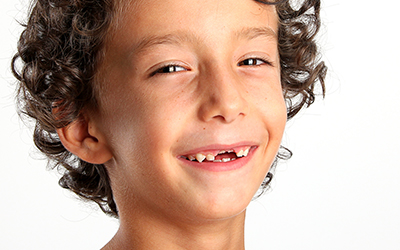
Children’s mouths develop rapidly during the early years, making regular dental evaluations essential for monitoring growth and alignment. Pediatric dentists are trained to identify subtle signs of bite problems before they become more severe. Early detection allows for timely intervention, which can improve long-term children’s oral health and reduce the need for more complex treatment later.
Parents searching for a pediatric dentist near me Dover provider often learn that preventive care involves more than cavity prevention. Monitoring jaw growth, tooth spacing, and bite alignment is also an important part of protecting healthy pediatric teeth.
Understanding Bite Problems
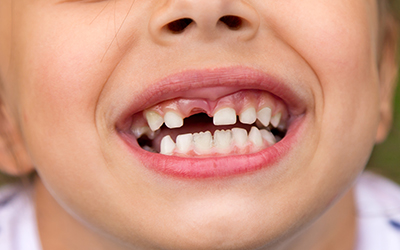
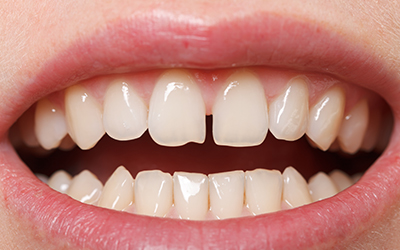
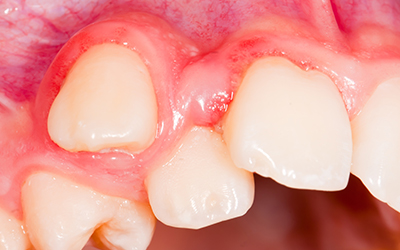
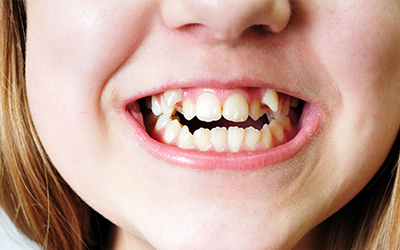
A bite problem occurs when the upper and lower teeth do not fit together correctly. These issues may include overbites, underbites, crossbites, crowding, or spacing concerns. While some bite irregularities are mild, others can interfere with chewing, speech, and proper jaw function.
A pediatric dentist evaluates the development of pediatric teeth during routine visits to determine whether alignment issues are emerging. Identifying concerns early often allows for simpler and more effective treatment options.
Signs Dentists Watch For
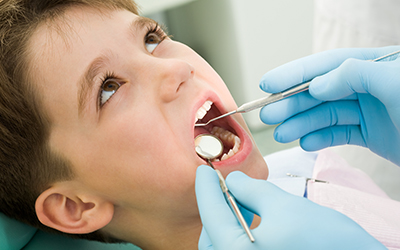
Pediatric dentists use visual examinations, growth assessments, and imaging when necessary to identify bite concerns during childhood. Because children’s jaws are still developing, small changes can reveal larger patterns over time.
Common signs of developing bite issues include:
- Difficulty chewing or biting food
- Crowded or overlapping teeth
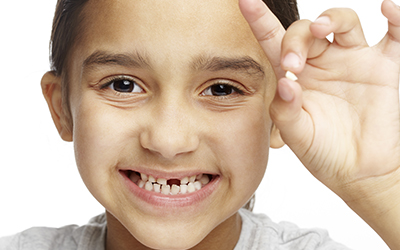
- Early or delayed loss of baby teeth
- Mouth breathing or jaw shifting
- Speech difficulties related to tooth positioning
Parents visiting a pediatric dentist near me Dover provider may not notice these concerns at home, which is why regular evaluations are so important. Early monitoring helps ensure that bite development stays on track.
Importance of Jaw Development
Proper jaw growth plays a major role in overall oral health. If the jaws do not grow evenly, children may develop alignment problems that affect both appearance and function. Pediatric dentists monitor how the upper and lower jaws develop together and whether enough space exists for permanent teeth.
In some cases, a child may be referred for early orthodontic treatment to guide jaw growth and improve alignment. Addressing these issues during growth stages is often easier than correcting them in adulthood. Healthy pediatric teeth development depends heavily on balanced jaw structure.
Preventing Long-Term Complications
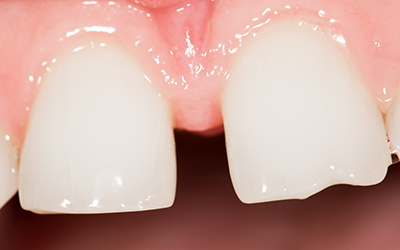
Untreated bite problems can contribute to several long-term dental concerns. Misaligned teeth may be harder to clean properly, increasing the risk of cavities and gum disease. Bite imbalance can also lead to uneven tooth wear, jaw discomfort, or speech issues over time.
Routine visits with a pediatric dentist near me Dover provider help reduce the likelihood of these complications by identifying concerns early. Pediatric dental teams often work closely with orthodontic specialists when additional care is needed.
Comfort During Pediatric Care
Some children may feel nervous during dental evaluations or treatment. Creating a comfortable experience is important for maintaining regular care and reducing anxiety. In certain cases, Dover dental sedation options may be recommended to help children remain calm during more involved procedures.
Pediatric dental providers carefully evaluate whether Dover dental sedation is appropriate based on the child’s age, treatment needs, and comfort level. A positive experience during childhood dental visits can encourage healthy habits and long-term confidence in dental care.
Supporting Healthy Dental Habits
Parents play an important role in supporting healthy bite development at home. Daily oral hygiene habits, healthy nutrition, and regular dental visits all contribute to healthier outcomes for children.
The following habits help support healthy development:
- Brushing twice daily with fluoride toothpaste
- Limiting sugary snacks and beverages
- Encouraging proper chewing habits
- Attending routine pediatric dental checkups
Families who consistently prioritize preventive care often experience fewer complications related to pediatric teeth alignment and development.
Building Stronger Smiles Early
Early identification of bite issues allows children to receive the support they need during critical stages of growth. Pediatric dentists monitor jaw development, tooth alignment, and oral habits to help prevent future complications and promote healthier smiles.
With regular evaluations from a trusted pediatric dentist near me Dover provider and appropriate use of Dover dental sedation when necessary, families can help children maintain strong oral health and more balanced dental development for years to come.
Posted on May 11, 2026 File ID 13398592 | © Reana | Dreamstime.com
Image Credit:
Share: