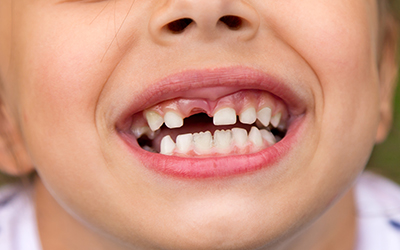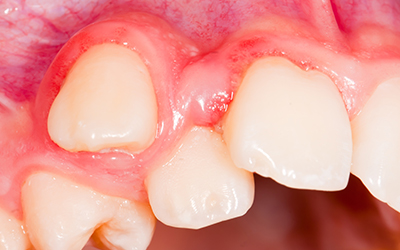
Jaw growth plays a critical role in shaping a child’s smile, bite, and overall oral function. As children grow, their jaws develop rapidly, making this an ideal time for dental professionals to identify potential concerns early. Monitoring jaw development is a key part of comprehensive pediatric dentistry, ensuring that teeth have enough space to erupt properly and that the bite aligns as it should. Regular visits to a trusted pediatric dental center in Dover help families stay proactive in supporting healthy growth patterns.
Why Jaw Development Affects Dental Health
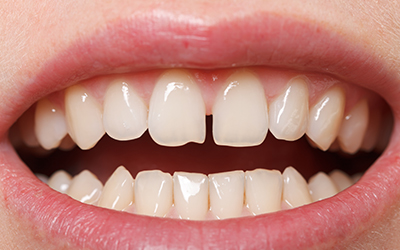
The jaw is the foundation for how teeth fit together. If the upper and lower jaws grow unevenly, children may experience crowding, misalignment, or bite problems that can worsen over time. Early tracking allows dentists to recommend preventive strategies before more complex treatment is needed. Jaw growth concerns can influence:
- Tooth eruption patterns
- Speech development
- Chewing efficiency
- Facial symmetry
By scheduling routine orthodontic evaluation appointments, families can address these issues while a child’s bones are still adaptable.
Early Detection Prevents Bigger Problems
When jaw growth is monitored consistently, dental teams can spot early signs of malocclusion, crossbites, or airway-related concerns. Intervening at the right stage may reduce the need for extensive braces later. Many children benefit from early orthodontic care, which may include space maintainers or growth-guidance appliances. At a well-equipped pediatric dental center in Dover, these assessments are designed to be gentle, supportive, and age-appropriate.
The Role of Preventive Pediatric Dentistry
Preventive care is not only about cavities—it also includes protecting developing teeth and supporting proper jaw alignment. Pediatric dentists may recommend treatments that strengthen enamel and prevent decay, especially during growth spurts. Services such as seal teeth procedures can help shield molars from cavities while children learn strong brushing habits. Preventive approaches like seal teeth applications are a simple but powerful way to support long-term oral health.
Comfort and Safety During Treatment
Some children feel anxious about dental visits, especially when additional monitoring or orthodontic appliances are involved. In these cases, sedation options may help ensure comfort. Dover sedation services are sometimes used for children who need more involved procedures or have significant dental anxiety. With the right approach, Dover sedation can make necessary care stress-free while allowing dentists to complete important treatments safely. Parents can discuss whether Dover sedation is appropriate based on their child’s needs and medical history.
Signs Your Child May Need Jaw Monitoring
Parents may not always recognize jaw development concerns, which is why routine dental visits are essential. Common indicators include:
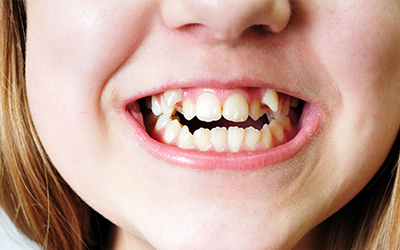
- Crowded or overlapping teeth
- Difficulty biting or chewing
- Mouth breathing or snoring
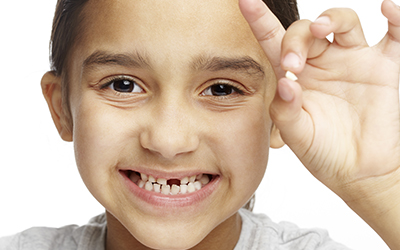
- Early or late loss of baby teeth
- Noticeable overbite or underbite
A pediatric dentist can evaluate these signs and recommend the right timing for an orthodontic evaluation.
Supporting Lifelong Oral Health
Monitoring jaw growth is an investment in a child’s future smile. Early guidance can reduce complications, support healthier tooth alignment, and improve overall comfort. Families who partner with a dedicated pediatric dental center in Dover ensure their child receives expert monitoring, preventive services like seal teeth protection, and supportive care options, including Dover sedation when needed. With consistent attention to jaw development, children can grow into confident, healthy smiles supported by modern children’s dentistry and proactive treatment planning.