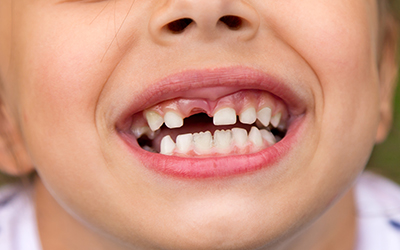
The first dental visit might feel early—especially when your child has only a few tiny teeth—but it’s one of the most important steps you can take to protect their long-term oral health. Early appointments allow a dental team to identify risks before they become problems, guide parents through effective home care, and help children feel safe and confident in a dental setting. Whether you’re searching for a Dover pediatric dentist or simply looking for trusted preventive care, starting early lays the foundation for fewer emergencies, simpler treatments, and healthier smiles.
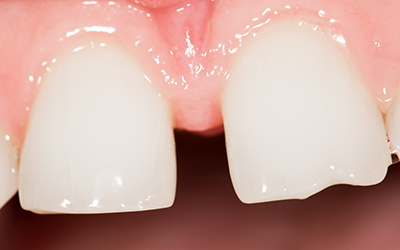
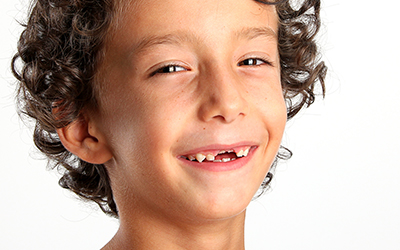
Many parents assume baby teeth don’t matter because they eventually fall out. In reality, infant teeth play a critical role in chewing, speech development, facial growth, and holding space for adult teeth. When early decay goes unnoticed, it can lead to pain, infection, and even issues with permanent teeth development. Early dental visits are designed to prevent those outcomes before they ever begin.
Preventing Cavities Before They Start
Tooth decay is one of the most common childhood health concerns, but it’s also highly preventable. A child’s first visit helps the dentist evaluate how teeth are developing, check for early signs of tooth decay, and recommend strategies to reduce cavity risk. In many cases, even small changes at home—like brushing technique, timing, and snack choices—can make a major difference.
A strong preventive plan may include:
- Regular dental checkups to monitor growth and detect early decay
- Professional fluoride treatment to strengthen enamel
- Dental sealants on back teeth once they erupt to block bacteria
- Guidance on thumb-sucking, pacifier use, and proper brushing for infant teeth
These strategies are even more effective when introduced early—before cavities become deep enough to require fillings or other restorative procedures.
Catching Hidden Problems Early
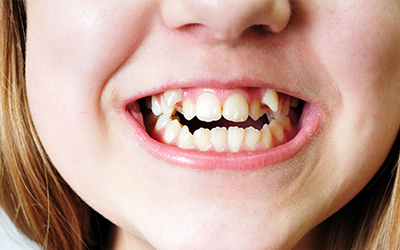
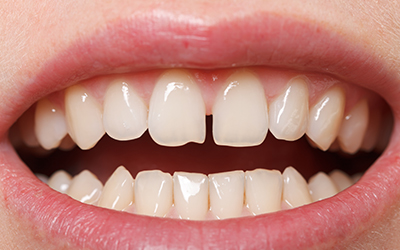
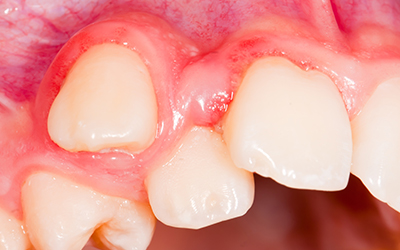
Early dental visits don’t only focus on cavities. They also help detect issues that could become bigger and more expensive later, such as bite concerns, enamel defects, tongue-tie complications, or crowding. Many parents are surprised to learn that an early orthodontic evaluation can reveal jaw or spacing problems that are easier to guide in childhood than to correct in adolescence.
A skilled Dover pediatric dentist can also monitor habits that affect development, including mouth breathing or teeth grinding. These concerns aren’t always obvious at home, but they can contribute to uneven wear, discomfort, or changes in facial growth over time.
Making Future Dental Visits Easier
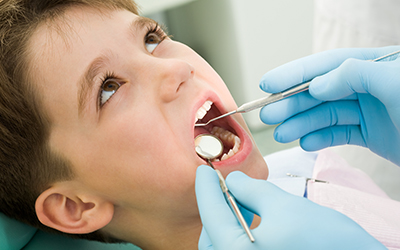
One of the biggest advantages of early visits is building comfort and trust. Children who start dental care early often experience less fear and anxiety later. They become familiar with the sights, sounds, and routines of a pediatric office, which can reduce stress for both the child and parent.
For children who feel nervous or need more support during treatment, practices may offer Dover dental sedation options to keep care safe and manageable. While not every child needs sedation, it can be helpful for those with strong anxiety, a sensitive gag reflex, special healthcare needs, or extensive treatment requirements. When families know Dover dental sedation is available, they often feel more confident scheduling care before issues worsen.
Parent Education That Prevents Emergencies
Early appointments are as much about empowering parents as they are about examining teeth. Pediatric dentists can demonstrate brushing techniques, offer guidance on nutrition, and help families understand how habits impact pediatric dentistry outcomes. You’ll learn how to prevent early childhood cavities, what to do if teeth are injured, and how to support long-term oral hygiene.
Common topics covered during early visits include:
- How to clean infant teeth and gums effectively
- When to introduce toothpaste and how much to use
- Which drinks and snacks increase cavity risk
- Signs of decay that require quick attention
- What to expect during teething and eruption
This kind of education can dramatically reduce the likelihood of painful dental emergencies—especially those involving infection or swelling that require urgent care.
Choosing Gentle, Preventive Pediatric Care
The best time to prevent major dental problems is before they begin. Early visits help identify risks, build strong preventive habits, and reduce the chance of invasive treatments later. Families seeking a Dover pediatric dentist often find that starting early leads to fewer cavities, better cooperation, and a more positive experience overall. And when extra support is needed, options like Dover dental sedation can ensure children receive the care they need comfortably and safely.
By prioritizing early dental visits, you’re not just protecting a child’s smile—you’re helping them avoid bigger dental problems, more complex treatments, and unnecessary stress in the years ahead.