

We are in-network with most Delta Dental plans and accept NH Medicaid on a referral basis. If you have a different insurance provider, our team will gladly submit claims for you as a courtesy.
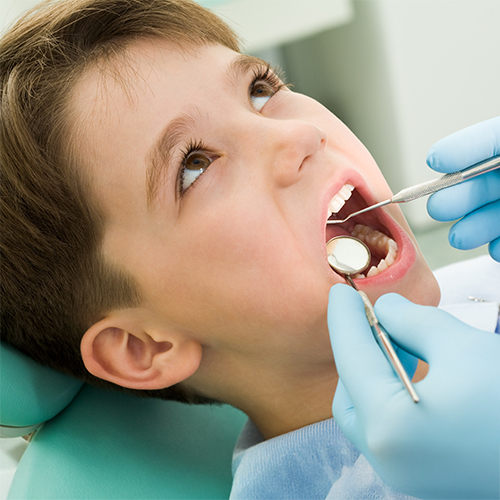
A pediatric dentist receives specialized training in children’s dental care, including managing growth and development, treating young patients, and creating a child friendly environment. This makes pediatric dentistry ideal for infants, children, and teens.
Yes, baby teeth play a critical role in your child’s development. They help with chewing, speech, and holding space for permanent teeth. Proper children’s dental care in New Hampshire includes maintaining healthy baby teeth until they naturally fall out.
If your child experiences tooth pain, swelling, or dental trauma, contact a pediatric dentist in New Hampshire immediately. Prompt care can prevent complications and help protect your child’s smile.
Your child should visit a pediatric dentist in New Hampshire by their 1st birthday or within 6 months of their first tooth erupting. Early visits help establish healthy habits and allow for early detection of potential concerns.
Most children should visit a kids dentist every 6 months for routine exams and cleanings. Regular visits are essential for maintaining strong oral health and preventing cavities.
We recommend a soft bristled brush for the optimal health of your gums. We also suggest a small headed brush to get around each tooth more thoroughly. The Philips Sonicare for Kids has received outstanding reviews and may be a great mechanical option.
Yes, it is important to floss daily because flossing removes plaque between teeth where it is hard for a toothbrush to reach. A major contributing factor to gum disease is caused by not flossing. Once a child’s teeth start to fit closely together, usually between the ages of two and six, parents should start to get their children in the habit of flossing daily.
Cavity prevention includes brushing 2 times daily with fluoride toothpaste, flossing regularly, limiting sugary foods, and visiting a kids dentist for routine care. Preventive treatments like fluoride and sealants also help protect teeth.
The best source is your dentist. Because gum disease is painless as it begins, it is crucial to schedule regular dental exams to discover if gum disease is occurring. Symptoms of gum disease include consistent bad breath, receding gums, red or bleeding gums, new spaces between teeth and loose teeth. If you think your child has gum disease, schedule an exam as soon as possible.
Silver Diamine Fluoride is a minimally invasive treatment used to stop early cavities from progressing. It is often recommended for younger children or those who may not tolerate traditional treatment.
There have been some concerns about silver-colored fillings or amalgam fillings because amalgams contain mercury which can be toxic. A number of individuals believe these amalgam fillings are responsible for causing a number of diseases, including autism, Alzheimer's disease, and multiple sclerosis.
The American Dental Association (ADA), the FDA, and numerous public health agencies say amalgams are safe, and that any link between mercury-based fillings and disease is unfounded. However, if amalgam fillings still cause you concern, there are a number of other materials we can use.
Fortunately, the dose of radiation your child is exposed to during a dental X-rays is extremely small. Our office uses the most advanced systems which has given us digital X-Rays that drastically reduce radiation exposure. The radiation your child is exposed by the sun, minerals in the soil and appliances in your home within a year is 20 times more radiation exposure than a dental X-ray. That's only 0.2% of all radiation exposure the average person receives.
Sealants are a thin, plastic coating that is painted on the chewing surfaces of the teeth to prevent tooth decay. The sealant quickly bonds into the depressions and groves of the teeth forming a protective shield over the enamel of each tooth. Children and Teens are at higher risk of developing decay in and are therefore the best candidates for dental sealant protection.
Yes, sedation dentistry is safe when provided by a trained pediatric dentist. Options like nitrous oxide and oral sedation help children feel calm and comfortable during treatment. Your dentist will recommend the safest option based on your child’s needs.
Clear aligners are a modern orthodontic option used to gently straighten teeth without brackets or wires. They are typically recommended for older children and teens with mild to moderate alignment concerns.
Permanent teeth usually begin to erupt around age 6 and continue through the early teen years. Regular visits to a pediatric dentist in New Hampshire help monitor this process and ensure proper development.




What Parents Are Saying
Families throughout New Hampshire trust Great Outdoors Pediatric Dentistry for compassionate, high quality pediatric dental care. Parents appreciate our friendly team, fun office environment, and the gentle approach Dr. Wilson takes with every child. We are proud to have earned the confidence of so many families and invite you to see what others are saying about their experience with our pediatric dentist and team.

FOLLOW US ON SOCIAL MEDIA


Cookie Preferences | Cookie Consent | Privacy Policy
Nothing contained on or offered by or through this website should be construed as medical advice and should not be relied upon for medical diagnosis or treatment. By accessing this website you understand and agree to communication by phone, voicemail, email or text.