Mouth breathing in children is often linked to allergies, enlarged tonsils or adenoids, chronic nasal congestion, or airway obstruction. While occasional mouth breathing during a cold is common, persistent mouth breathing may influence a child’s oral and facial development. Early identification during routine dental checkups for kids can help parents address concerns before long-term changes occur.
When children consistently breathe through their mouths instead of their noses, the position of the tongue and jaw may shift. Over time, these changes can affect infant teeth, jaw growth, and overall facial structure. Parents searching for a trusted Dover pediatric dentist near me often seek guidance on whether mouth breathing is impacting their child’s development.
Impact on Infant Teeth and Alignment
The tongue plays an important role in shaping the dental arches. When a child breathes through the nose, the tongue typically rests against the roof of the mouth, helping the upper jaw develop properly. With chronic mouth breathing, the tongue may rest low in the mouth, reducing support for natural arch development.
This altered positioning can contribute to:
- Narrow dental arches
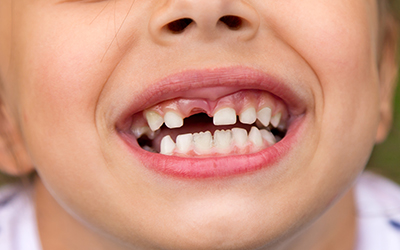
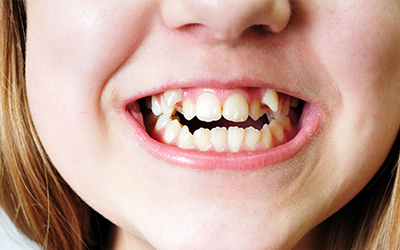
- Crowded or misaligned baby teeth
- Increased risk of open bite or crossbite
- Greater likelihood of needing early orthodontic treatment
A knowledgeable Dover pediatric dentist can evaluate whether dental alignment concerns are related to airway habits. Monitoring infant teeth during regular visits allows for early detection of spacing or crowding patterns associated with mouth breathing.
Facial Development and Growth Patterns
Persistent mouth breathing can influence more than tooth alignment. Over time, it may contribute to elongated facial growth, a narrow palate, and changes in jaw positioning. These structural shifts can affect chewing, speech, and even sleep quality.
Research published in the journal Sleep Medicine Reviews indicates that chronic mouth breathing and airway obstruction during childhood may influence craniofacial growth patterns (Sleep Medicine Reviews, 2015). Because children’s bones are still developing, early intervention can help guide more balanced growth.
Parents who consult a Dover pediatric dentist near me for routine care may receive referrals for additional evaluation if airway concerns are identified. Collaborative care between dental and medical professionals can support both oral health and overall wellness.
Oral Health Consequences
Beyond structural changes, mouth breathing can also increase the risk of dental problems. Saliva plays a crucial role in neutralizing acids and protecting enamel. Breathing through the mouth can reduce saliva flow, leading to dryness and higher susceptibility to cavities.
This increased risk makes preventive strategies essential. Comprehensive pediatric dental care includes regular cleanings, fluoride treatments, and education about proper oral hygiene. A proactive Dover pediatric dentist will emphasize preventive steps to protect infant teeth and developing permanent teeth from decay.
Signs Parents Should Watch
Parents may not immediately recognize mouth breathing as a dental concern. However, certain signs may indicate a need for evaluation. These include:
- Persistent open-mouth posture.
- Snoring or restless sleep.
- Dry lips or cracked mouth corners.
- Crowding or shifting of baby teeth.
Routine dental checkups for kids provide an opportunity to discuss these symptoms and determine whether further assessment is necessary.
Early Intervention and Prevention
Early identification of mouth breathing habits can significantly influence outcomes. In some cases, addressing allergies or enlarged tonsils may improve nasal airflow. In others, dental appliances or early orthodontic treatment may help guide proper jaw development.
Families seeking a reliable Dover pediatric dentist near me benefit from comprehensive evaluations that consider both dental alignment and airway development. Monitoring growth patterns allows providers to intervene at the most effective time.
Supporting Healthy Growth
Mouth breathing is more than a habit; it can shape how a child’s face and smile develop over time. Through consistent pediatric dental care and early evaluation by a skilled Dover pediatric dentist, parents can address potential concerns before they become more complex.
Great Outdoors Pediatric Dentistry focuses on guiding healthy development from the earliest stages of infant teeth through adolescence. By understanding how airway habits affect teeth and facial growth, families can take proactive steps to support strong, balanced smiles for years to come.