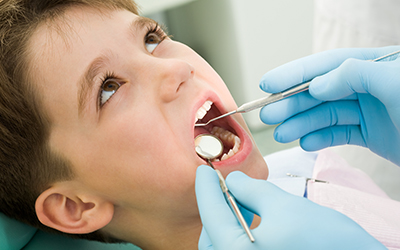
Speech development is a critical part of a child’s growth, and oral health plays a key role in how clearly and confidently children learn to communicate. The alignment of pediatric teeth, along with proper jaw and tongue function, directly influences speech patterns. Through early care and regular checkups, providers such as a children’s dental center in Dover help support both oral health and communication development.
How Oral Structures Affect Speech
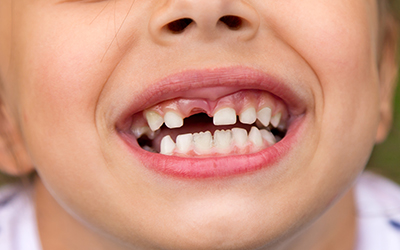
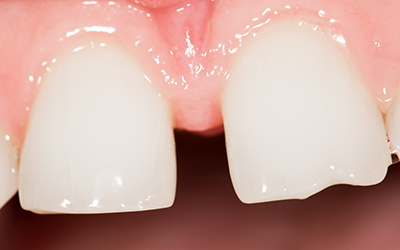
Speech relies on the coordinated movement of the lips, tongue, teeth, and jaw. If any of these structures are not developing properly, children may have difficulty forming certain sounds. Issues such as misaligned pediatric teeth, missing teeth, or restricted tongue movement can interfere with pronunciation and clarity.
Providers specializing in Dover dentistry for children are trained to evaluate these factors during routine visits. Early identification of potential concerns allows for timely intervention, which can significantly improve speech outcomes.
Importance of Early Dental Care
Early dental visits are essential for monitoring oral development. The American Academy of Pediatric Dentistry recommends that children see a dentist by their first birthday. These visits provide an opportunity to assess tooth eruption, jaw growth, and oral habits that may impact speech.
A children’s dental center in Dover focuses on preventive care and early evaluation, ensuring that children receive the support they need from the beginning. Establishing a foundation through pediatric dentistry helps reduce the risk of complications that could affect speech development.
Common Dental Issues Affecting Speech
Several oral health conditions can contribute to speech difficulties in children. Recognizing these issues early allows for more effective treatment and improved outcomes.
Common concerns include:
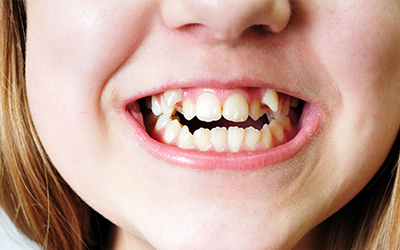
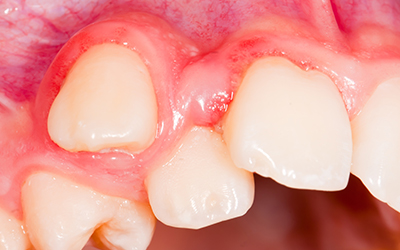
- Misaligned or crowded pediatric teeth
- Tongue-tie or limited tongue mobility
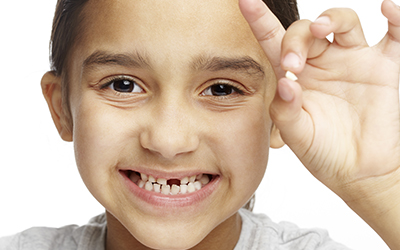
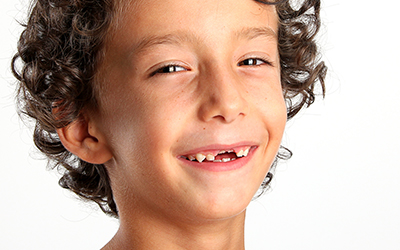
- Delayed tooth eruption
- Bite issues affecting jaw alignment
Addressing these concerns through Dover dentistry for children helps ensure that oral structures support clear and accurate speech.
The Role of Orthodontic Evaluation
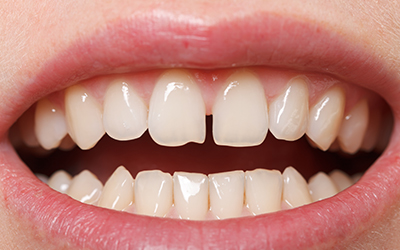
In some cases, orthodontic concerns may impact how a child forms sounds. Bite misalignment or spacing issues can interfere with tongue placement, making certain words difficult to pronounce.
An early orthodontic evaluation can determine whether treatment is needed to guide proper alignment. Providers at a children’s dental center in Dover may recommend early intervention to correct these issues, improving both function and speech clarity.
Supporting Healthy Oral Habits
Oral habits developed during childhood can also influence speech development. Habits such as thumb-sucking or prolonged pacifier use may affect the positioning of pediatric teeth and the shape of the jaw.
Parents can support healthy development by:
- Encouraging proper oral hygiene for kids
- Limiting habits that may impact tooth alignment
- Scheduling regular dental checkups
- Following guidance from professionals in Dover dentistry for children
These steps help create an environment where speech development can progress naturally.
Building Confidence Through Clear Speech
Clear speech is closely linked to a child’s confidence and social development. When children can communicate effectively, they are more likely to engage with others and succeed in educational settings.
By maintaining healthy pediatric teeth and addressing potential issues early, dental care supports not only physical health but also emotional well-being. A trusted children’s dental center in Dover plays an important role in helping children feel comfortable and confident in their abilities.
A Comprehensive Approach to Development
Pediatric dentistry goes beyond cavity prevention—it supports the overall development of children, including their ability to speak clearly. Through routine care, early intervention, and collaboration with other healthcare providers when needed, Dover dentistry for children helps ensure that children develop strong, healthy smiles and effective communication skills.
By prioritizing regular dental visits and monitoring oral development, parents can take proactive steps to support their child’s speech and long-term oral health.